Checked August 2026
OpenClaw architecture laboratory
How OpenClaw routes channels, sessions, tools, and nodes through its Gateway
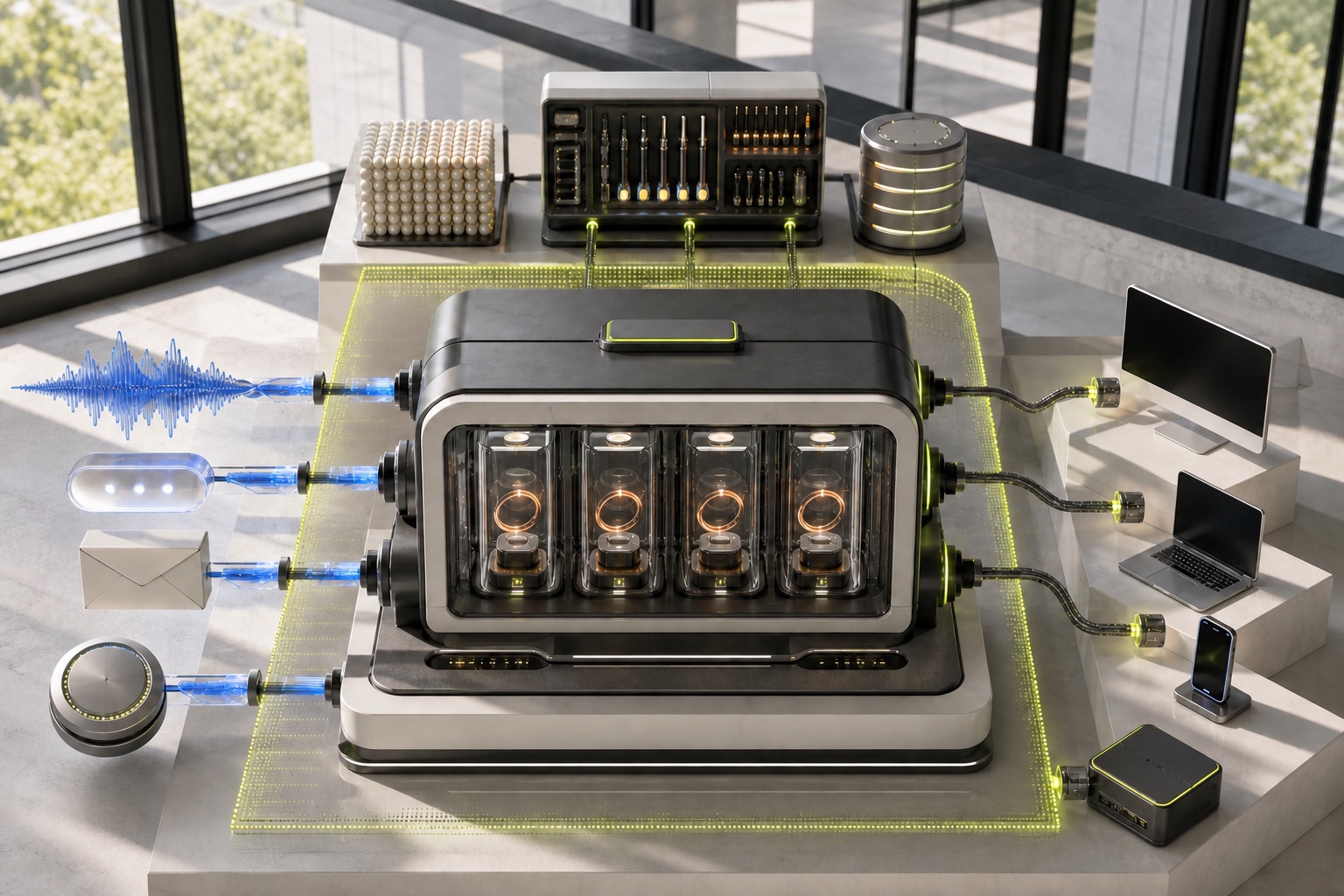
OpenClaw is a Gateway-first personal agent runtime. One long-lived Gateway accepts channel, client, and paired-node traffic, applies pairing and routing, serializes work by session, and runs an embedded agent loop with models and tools.
Choose an entry surface and consequential action, then inspect the owner, input, output, and failure mode at every boundary. The documented trust model assumes one trusted operator per Gateway—not hostile tenants sharing one control plane.
- Trace
- Channel · Gateway · session · loop · tool/node · state
- Manipulate
- Entry surface · action · approval decision
- Center of gravity
- One long-lived Gateway
Gateway
- Receives
- authenticated WebSocket or channel event
- Returns
- routing decision + session key
- Failure mode
- pairing, policy, or routing rejection
One Gateway is designed around one trusted operator. If people do not trust each other with the same tools and state, separate the gateways—and preferably the operating-system users or hosts.
Primary research
Inspect the mechanism at its source.
Project architecture and terminology were checked against official documentation on August 10, 2026. Research papers are linked to their original publication records.